Introduction:
Tree pruning is an essential practice that not only enhances the beauty of your landscape but also promotes the health and longevity of your trees. Properly executed tree pruning can transform your garden into a breathtaking oasis while minimizing potential hazards and maintaining the vitality of your trees. In this comprehensive guide, we will delve into the art and science of tree pruning, exploring the techniques, benefits, and best practices that will help you achieve stunning results.
Understanding the Importance of Tree Pruning:
Tree pruning is the process of selectively removing specific branches to improve the overall structure and appearance of the tree. Beyond aesthetics, pruning serves several vital purposes:
- Health Enhancement: Removing dead or diseased branches helps prevent the spread of infections, allowing your trees to thrive.
- Safety: Pruning minimises the risk of falling branches, especially during storms or strong winds, safeguarding your property and loved ones.
- Sunlight Penetration: Proper pruning allows sunlight to reach the inner parts of the tree, promoting balanced growth and overall health.
- Air Circulation: By thinning the canopy, pruning facilitates better airflow, reducing the risk of fungal diseases.
Best Times for Tree Pruning:
Timing is crucial when it comes to tree pruning. Performing it at the right time ensures optimal results and minimises stress on the tree. The best times for pruning are generally:
- Dormant Season: Late winter to early spring, before new growth begins, is ideal for most trees. Pruning during dormancy stimulates robust growth once the growing season commences.
- Flowering Trees: For trees that bloom in spring, pruning immediately after their blossoms fade is recommended.
Essential Tree Pruning Techniques:
Understanding and applying the right pruning techniques is crucial to maintaining the health and aesthetics of your trees. Here are some essential techniques to follow:
- Crown Thinning: Removing selective branches within the canopy to allow better sunlight penetration and improved air circulation.
- Crown Raising: Elevating the lower branches to provide clearance for pedestrians, vehicles, or structures.
- Crown Reduction: Reducing the overall size of the tree by trimming specific branches. This technique is best used sparingly and only for specific purposes, as excessive reduction can harm the tree.
- Dead-wooding: Pruning away dead or dying branches to enhance safety and prevent the spread of diseases.
DIY vs. Professional Pruning:
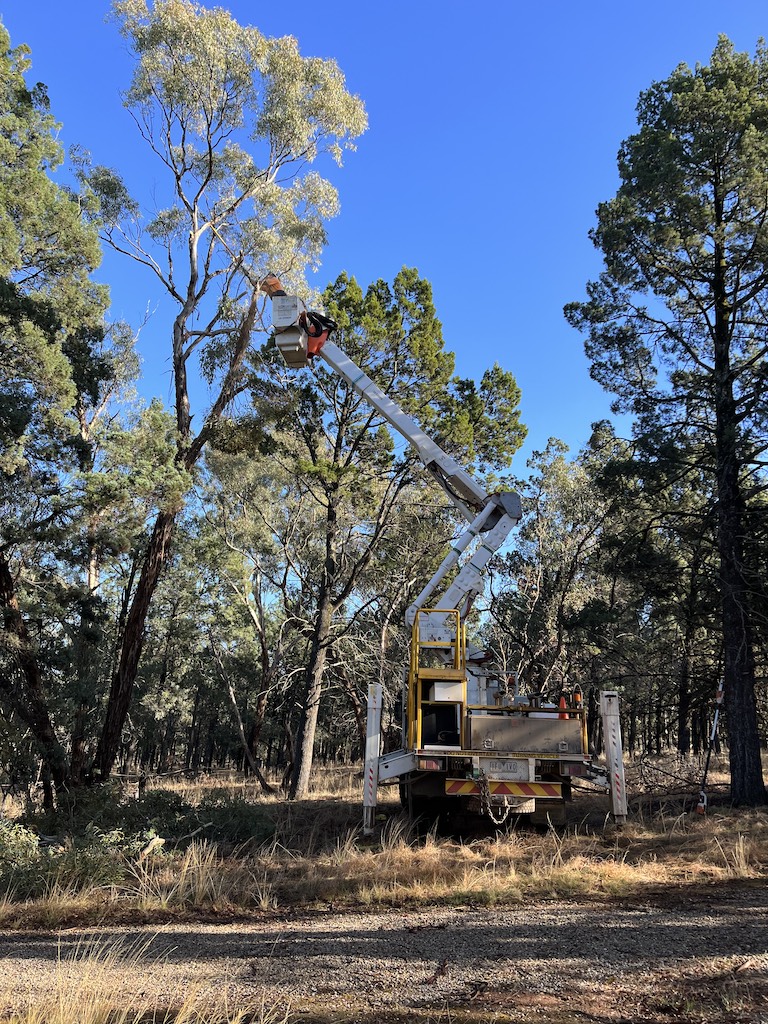
While some light pruning tasks can be handled by homeowners, professional arborists, such as the Botanic Mechanic bring expertise, experience, and specialised equipment to the table. Hiring a certified arborist ensures the job is done correctly, minimising risks and maximising the health of your trees.
5. Tree Pruning Mistakes to Avoid:
Avoid common pruning mistakes that could potentially harm your trees. These include:
- Over-pruning: Removing too many branches at once can stress the tree and impede its growth.
- Topping: Drastic cutting of the tree’s main branches, leading to weak, unstable regrowth.
- Improper Tools: Using the wrong tools or not maintaining them can damage the tree and pose risks to the pruner.
Conclusion:
Tree pruning is an art that demands a delicate balance between aesthetics and the tree’s health. By understanding the techniques, benefits, and best practices, you can ensure that your trees flourish and remain a beautiful and integral part of your landscape for years to come. Whether you handle small pruning tasks yourself or hire professional arborists such as the Botanic Mechanic, the rewards of proper tree pruning are well worth the effort. Remember to prioritise safety, follow the appropriate pruning guidelines, and watch your trees thrive as they enhance the natural beauty of your surroundings.